Not sure what your trees need? Our certified arborists can help.
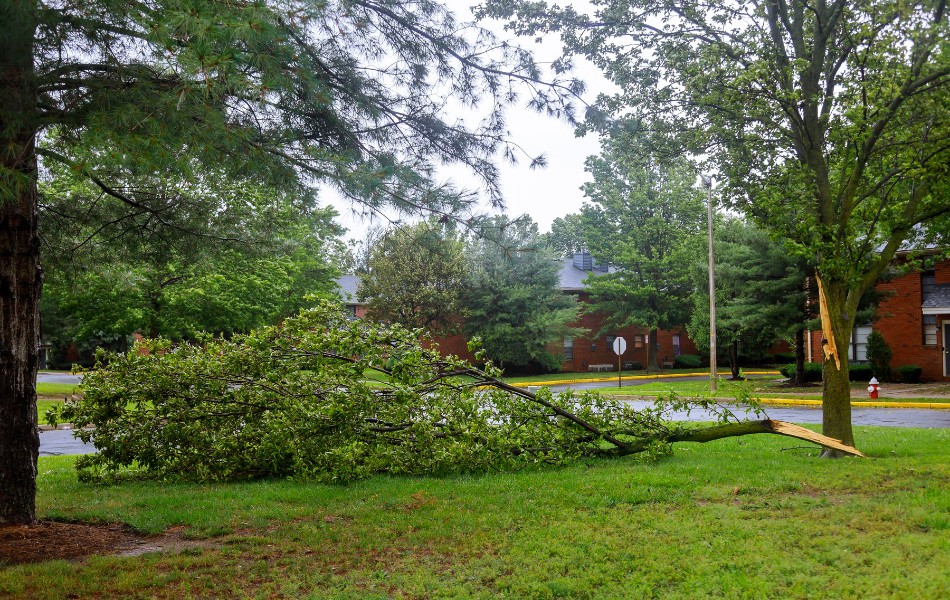
Trees that made it through January’s ice storm with a cracked limb or a new lean can still come down this winter. If your tree fell on a neighbor’s property in Tennessee, whether you’re responsible depends on whether you knew, or should have known, it was hazardous.
For homeowners in Mount Juliet, Hermitage, or Donelson considering tree care, an early look at any questionable tree and a few simple records can help on both sides of the fence.
Key Takeaways
- A healthy tree that falls in a storm is usually covered by each owner’s own homeowners insurance for their property.
- Liability generally turns on notice, meaning you’re responsible only if you knew, or should have known, the tree was a hazard
- Dated photos, a short timeline, and written messages matter most.
- Hanging limbs, trunk cavities, and a new lean make a tree a known hazard once someone has noticed them.
- A Certified Arborist’s look at a questionable tree before winter gives you a clear picture of its condition while pruning, cabling and bracing, or removal are still easy to schedule.
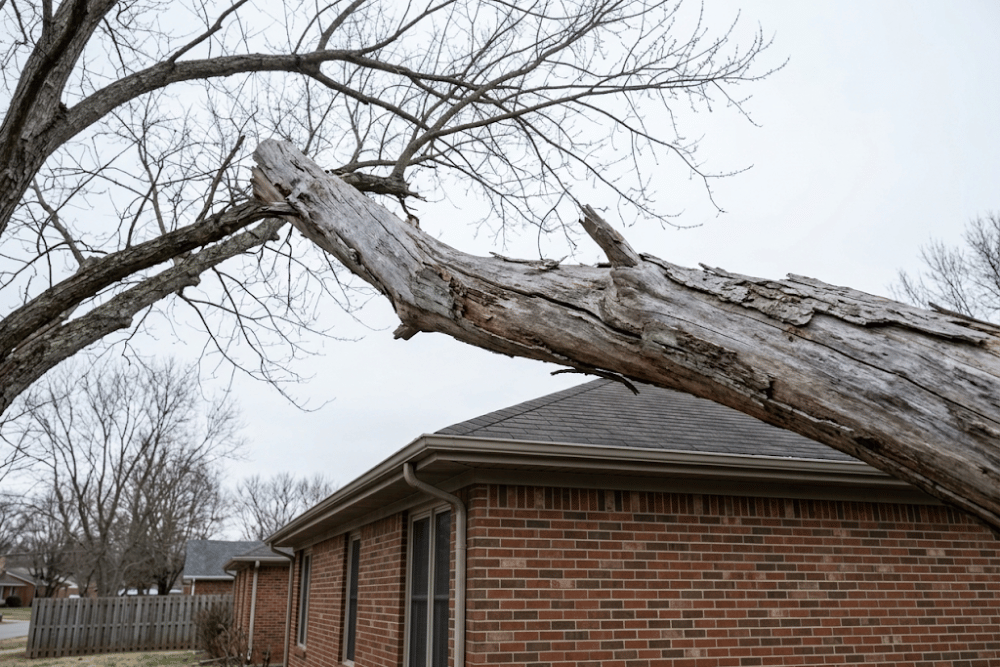
A dead limb that hangs over a roof for a whole season is the kind of defect an owner should have noticed.
Who Is Responsible When a Tree Falls on a Neighbor’s Property in Tennessee?
It isn’t automatically the tree’s owner. When a healthy tree falls in a storm, coverage applies to the damage, so whoever’s property takes the worst of it should call their own insurer first. Generally, the owner is only responsible if they knew or should have known the tree was hazardous.
How Does Tennessee Liability Law Treat Fallen Trees?
Tennessee liability typically depends on notice, meaning the owner knew or should’ve known the tree was dangerous. Notice can come in a couple of forms:
- Actual Notice : The owner was told about the problem or saw it personally.
- Constructive Notice : A reasonable owner would have noticed it, even if this owner never did.
A large dead limb hanging over a roofline for an entire season is a good example of “should’ve known.” A healthy oak that snaps in a windstorm with no visible warning is different, since there wasn’t anything to notice.
PLEASE NOTE : This is general information and not legal advice. For a real dispute, talk with your insurance agent or attorney.
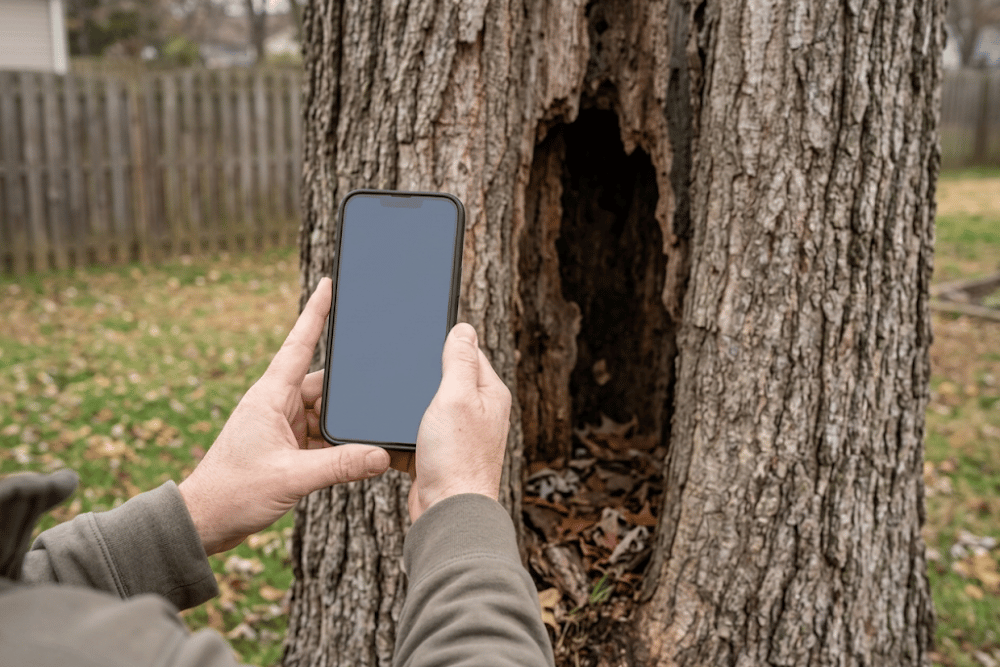
A dated photo of the specific defect is one of the most useful records you
What Should You Document in a Neighbor Tree Dispute?
During a tree dispute with a neighbor, keep dated photos and a simple timeline, and put anything important in writing. These records can help before a tree falls, when you’re only worried, and after, when someone needs a clear picture of what happened.
Dated Photos
Dated photos are the most useful record, and there are a few ways to make them even more effective:
- Photograph the specific defect, such as a lean, a hanging limb, or a trunk cavity.
- Repeat the photos after each storm.
- If you own the tree, keep inspection and maintenance records, since neglect can make you responsible.
If a tree falls, take pictures (if it’s safe) of the damage before anything is moved, call your insurance provider promptly, and tarp any roof damage to prevent further loss.
A Simple Timeline
A simple timeline is a list of dated notes covering what you saw, what you did, and who you told. Add an entry when the tree changes, when a storm hits, when you talk with your neighbor, and when anyone works on the tree. Paired with a photo, that creates a solid record.
Keep the notes in one place so the dates hold up if anyone asks. That turns “I think I mentioned it last spring” into something you can point to.
Written Communication
A friendly heads-up can be a good place to start, either in person or in writing. If a few weeks go by without them giving you a response, follow up in writing. If the concern is serious, send it by certified mail to create a dated record that the owner was notified. Be sure to name the specific defect, mention where it hangs, attach a photo, and make the date of your first message clear.
Keep a copy of everything you send. If you own the tree and a neighbor writes to you about it, that’s your cue to have it looked at.
When Does a Known Hazard Tree Change Liability?
Once an owner knows (or should know) a tree is hazardous and does nothing about it, they can be held responsible if it falls. Most often, defects like the following are what make a tree qualify as a known hazard:
- Broken or hanging branches
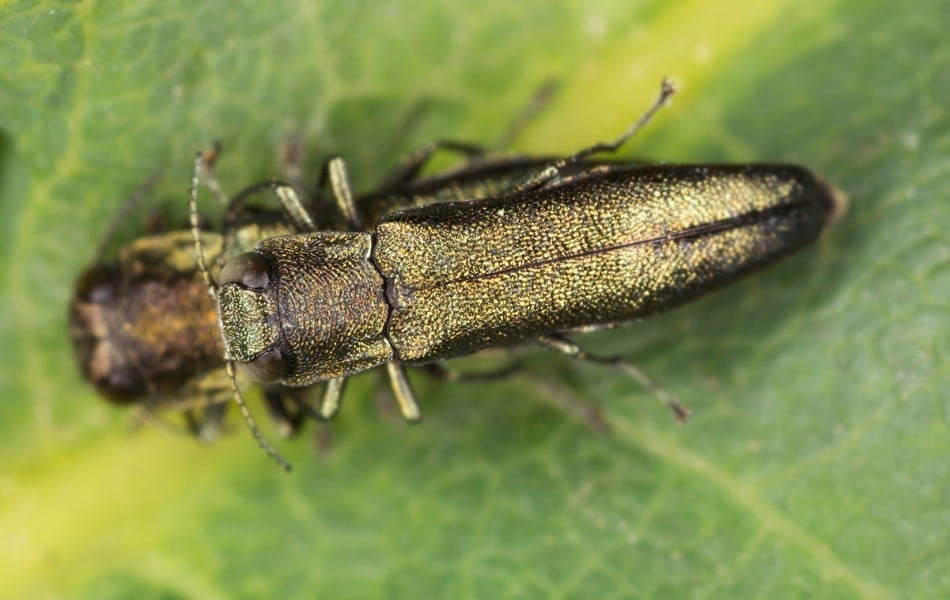
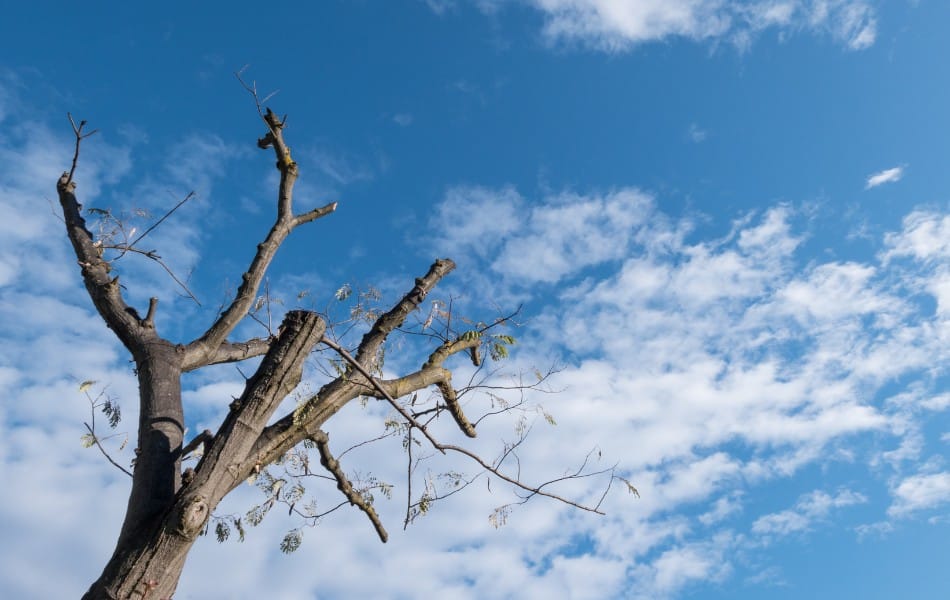
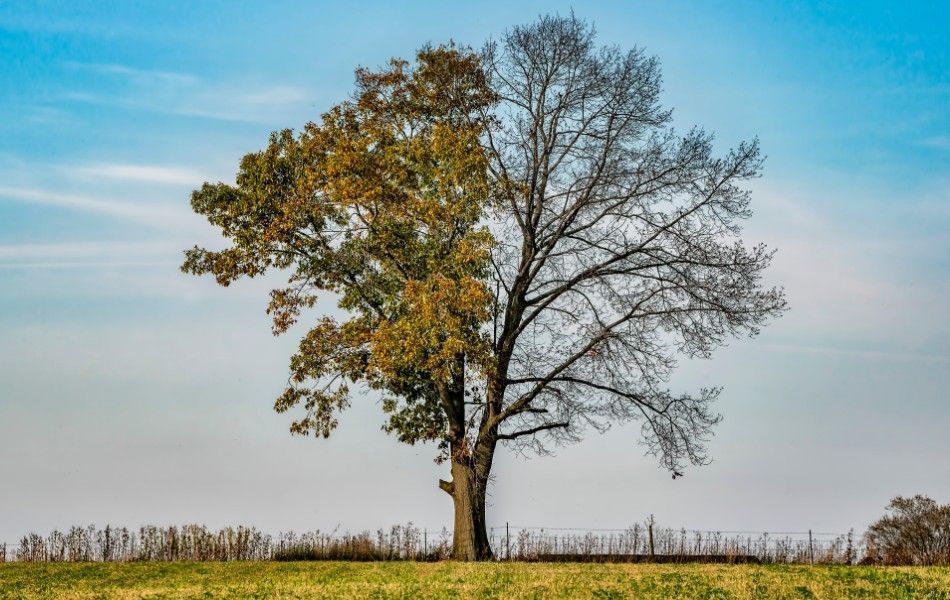
- Bare branches or leaf discoloration outside the normal season
- Bark loss or trunk cavities
- A new or increasing lean
- Fungal growth at the base
If your tree was damaged in an ice storm, check for these signs now. An owner who ignores visible damage may struggle to prove they didn’t know about the defect. Our fall hazard checklist covers every warning sign.
Act Early and Keep Your Options Open
Heavy snow and ice add weight to trees that already have structural defects, so acting early gives you more options. A known hazard doesn’t always mean removal. Depending on the tree, the options may include:
- Pruning : This takes weight off a damaged section through tree trimming.
- Cabling and Bracing : This supports a weak structure through tree preservation.
- Planned Removal : This is tree removal done before the tree fails.
You can plan each of these around your schedule, which usually isn’t possible once a limb’s already on a roof.
How Can a Certified Arborist’s Assessment Help?
A Certified Arborist’s assessment provides a professional read on a tree’s condition, replacing needless guesswork. Tree Solutions has an ISA Certified Arborist on staff, so every estimate for homeowners in Mount Juliet and Hermitage is shaped by that expertise. An assessment looks at the following areas:
- Trunk and roots
- Branch attachments
- Canopy structure
- Signs of decay
- What the tree could hit if part or all of it failed
A documented assessment states what was known and when, which is why taking action on the findings matters just as much as having it done.
Frequently Asked Questions About Fallen Trees
Who pays if a fallen tree hits my car?
Typically, your auto insurance, not your homeowners policy. If you have comprehensive coverage, it covers a car hit by a fallen tree.
Who pays to remove a fallen tree?
It depends on whether anything was damaged. If the tree damaged a structure, homeowners insurance may help cover the cleanup. If it fell without damaging anything, removal usually isn’t covered, so it comes out of pocket. Policy terms vary, so check yours.
Does homeowners insurance cover removing a tree before it falls?
Generally no, because standard homeowners policies do not pay for preventive tree removal. They may also not cover damage from a tree that falls due to rot or age, which timely maintenance could have prevented.
Who owns a tree growing on the property line?
Both neighbors generally co-own a tree with its trunk on the line, so removing it without the neighbor’s permission can open you to civil liability.
Can I cut branches from my neighbor’s tree that hang over my yard?
Generally yes, but only back to the property line, at your own expense, and without harming the tree’s health or stability. If the branches or roots have caused actual damage or pose an imminent danger, the tree may also be considered a nuisance, so trimming isn’t your only option.
What should I do if a fallen tree is touching a power line?
Treat any downed line as live, stay away from it, and don’t try to move the tree. Call the power company first. Once the area is safe, Tree Solutions offers 24/7 Emergency Service for removal.
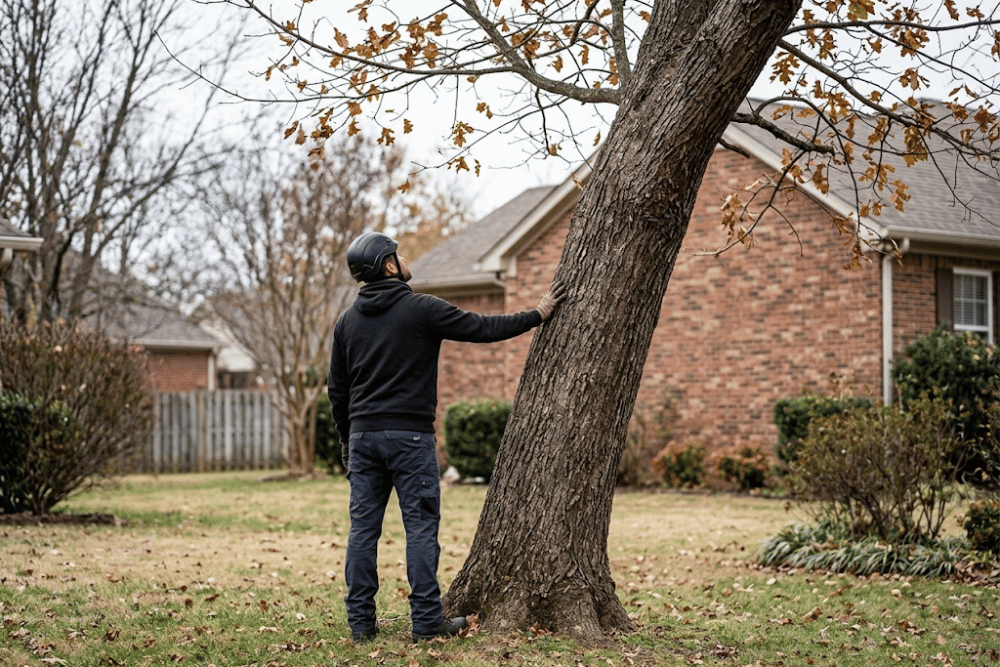
An assessment before winter gives you time to choose pruning, cabling and bracing, or a planned removal.
Have Tree Solutions Check Your Questionable Tree Before Winter
Having a certified arborist inspect a questionable tree before the first ice gives you time to choose pruning, cabling and bracing, or removal. No matter who you hire, ask for a certificate of insurance that names you as an additional insured. Tree Solutions carries general liability, commercial auto, and workers’ compensation coverage and can name you as an additional insured on the certificate.
To get started, call us at 1-615-239-9223 or request a free quote online.
Brian Holloway
Brian Holloway is the founder and owner of Tree Solutions, a family-owned tree care company serving Middle Tennessee. With nearly 20 years of experience, he has overseen thousands of residential and commercial tree care projects and is dedicated to providing professional, dependable service.