Not sure what your trees need? Our certified arborists can help.
The storms that rolled through Middle Tennessee this summer sent TDOT crews out to clear downed trees across Wilson County, right as Nashville hit a record 101 degrees that same afternoon, breaking a mark that had stood since 1954. The trees that come down first in a storm are usually the ones that were already weak, and if you’re standing in your yard wondering whether your tree is dead or just stressed from the summer, that heat wave is a big part of why it suddenly looks half gone.
A scorched, thinning canopy in July can look alarming, but it doesn’t necessarily mean the tree is dying. Extreme heat can cause trees to wilt, drop leaves, or shut down parts of their canopy to conserve water—signs that can look a lot like serious decline. Before assuming the tree needs to come down, look for a few key signs that can help you determine whether it’s responding to summer stress or showing symptoms of a larger problem.
Key Takeaways
- Extreme heat, lingering drought stress, storm damage, and pests can all leave Middle Tennessee trees looking stressed during summer.
- Flexible branches, healthy buds, and green tissue beneath the bark are good signs that a stressed tree is still alive and may recover.
- Trees can continue showing signs of drought stress even after rainfall and soil moisture improve, so recovery may take time.
- Deep watering, proper mulching, and avoiding heavy summer pruning can help a stressed tree recover without adding more strain.
- Widespread dieback, brittle branches, or dead tissue may signal serious decline and are reasons to have the tree evaluated by an arborist.
Why Is My Tree Looking Stressed This Summer?
Middle Tennessee trees have had a rough year. Months of unusually dry conditions were followed by periods of heavy rain, summer storms, and dangerous heat. Even though some of these conditions have improved, trees don’t necessarily recover as quickly as the weather does.
Stress can build over weeks or months, and the symptoms may become more noticeable as summer wears on. Understanding what your tree has been through this year can help explain why it looks healthy one season and suddenly starts struggling the next.
Extreme Heat
In early July and August, Nashville was under an excessive heat warning as temperatures climbed into the upper 90s and heat index values reached well into the triple digits.
During extreme heat, trees lose moisture through their leaves faster than their roots may be able to replace it. Leaves can wilt, curl, develop brown or scorched edges, or drop early as the tree tries to conserve water. These symptoms can look dramatic after a heat wave, but they don’t necessarily mean the tree is dying.
Lingering Drought Stress
Recent rain has improved drought conditions across the Nashville area, but trees are still carrying the effects of the unusually dry conditions from earlier this year. After one of the driest starts to a year in decades, many trees entered the spring growing season already dealing with limited soil moisture.
Summer rainfall has helped replenish that moisture, but recovery from prolonged drought takes time. Trees may have already slowed growth, lost foliage, or depleted energy reserves while trying to conserve water. Those effects can linger even after conditions improve, leaving a tree with sparse foliage, smaller leaves, scorched edges, or premature leaf drop while the lawn around it has already greened back up.
Storm Damage
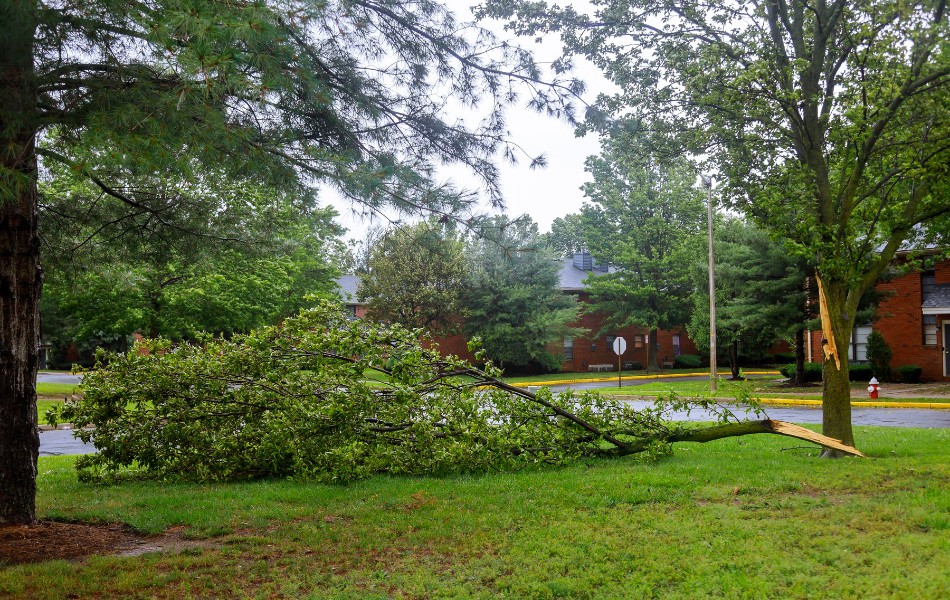
summer storms can change the appearance of a tree almost overnight. Strong winds and heavy rain may break branches, strip foliage, or leave sections of the canopy noticeably thinner.
Storm damage can also reveal weaknesses that weren’t obvious beforehand. Branches already compromised by drought, decay, poor structure, or previous damage may be more likely to break when severe weather moves through. If one part of the canopy suddenly looks bare after a storm, look for broken or hanging limbs before assuming the tree itself is dying.
Emerald Ash Borer
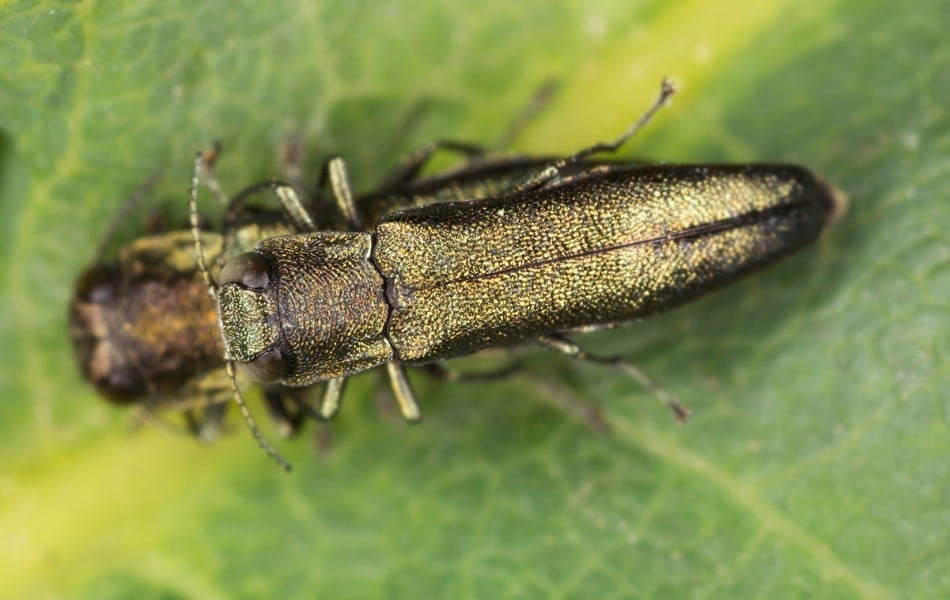
If the struggling tree is an ash, summer weather may not be the main problem. Emerald ash borer (EAB) has been confirmed in Davidson County since 2014 and continues to threaten untreated ash trees throughout the area.
EAB larvae feed beneath the bark, disrupting the movement of water and nutrients between the roots and canopy. As the infestation progresses, homeowners may notice thinning and dieback beginning near the top of the tree, bark splitting, or new shoots growing from the trunk and lower branches. Hot, dry weather can make that decline more noticeable because an infested tree is already struggling to move enough water through its canopy.
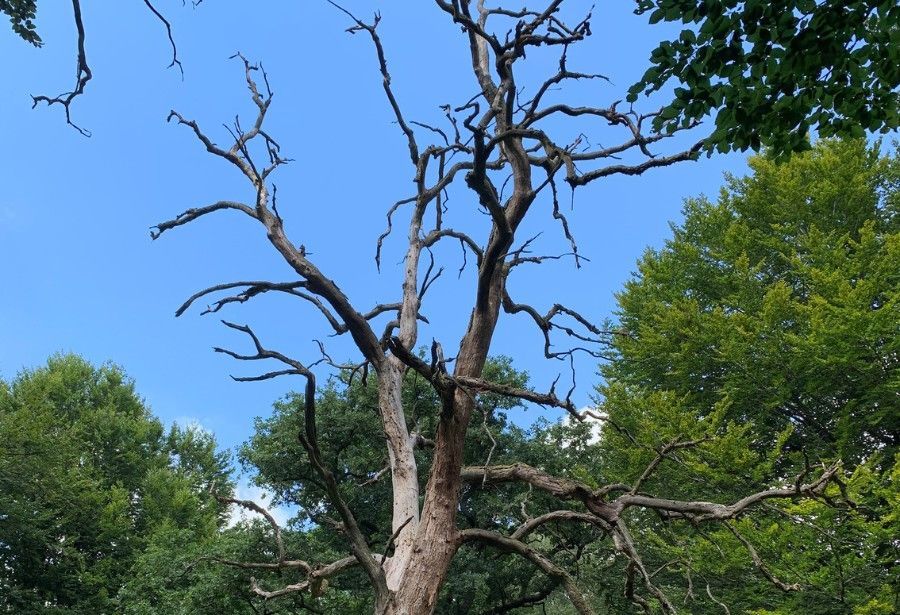
A standing dead tree with extensive branch dieback poses an increasing safety risk as the wood becomes brittle over time.
How Can You Tell If a Tree Is Dead or Just Stressed?
The clearest way to separate a stressed tree from a dying one is to look at how its branches behave and what the tissue underneath the bark looks like. A stressed tree is still alive and fighting; a dead tree has stopped. Once you know what to look for, the difference is usually easier to spot than you’d expect.
Signs Your Tree Is Stressed but Can Recover
Even when a tree looks rough from summer stress, there are several signs that it’s still healthy enough to recover:
- Branches stay flexible and bend before they break, and any twigs you snap are green inside.
- Leaves may be sparse, browning at the edges, or scorched, but you can still find live buds along the branches.
- The layer of tissue just under the bark is green and slightly moist.
- The canopy looks thinner than usual, but it’s still mostly filled in.
Signs Your Tree Is in Terminal Decline
A tree in real decline shows damage that spreads and worsens over time. Watch for these warning signs:
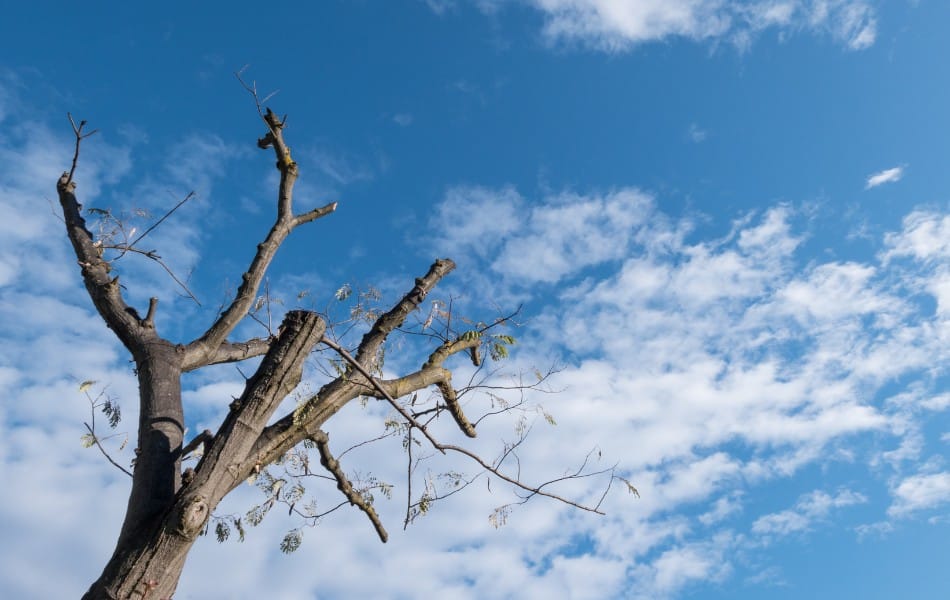
- Dieback in the crown that moves inward and downward, year after year.
- Deadwood that covers more of the tree each season.
- Brittle branches that snap dry with no give.
- Bark that’s cracking, falling away, or lifting off the trunk.
How Can You Test Whether Your Tree Is Still Alive?
If the signs above still leave you unsure, a simple scratch test can tell you whether individual branches still have living tissue:
- Pick a small twig and scratch a thin sliver of bark away with your fingernail or a pocketknife.
- Look at the layer underneath. Green and moist means that branch is alive; brown and dry means it’s dead.
- Repeat on several branches around the tree, including a few lower ones, before you draw any conclusions.
One dead branch doesn’t mean a dead tree. But if you’re getting brown, dry results all the way around, the tree is likely past saving.
PRO TIP: Always test more than one spot. A single dead twig at the tip can fool you, while a live branch low on the trunk can give false hope. The pattern across the whole tree tells the real story.
What Should You Do for a Stressed Tree?
If your tree is still alive but showing signs of summer stress, the goal is to reduce additional strain while it recovers. You can’t undo months of heat or drought, but you can give the roots better conditions to support the tree through the rest of the growing season.
Water Deeply During Dry Spells
A quick spray from the hose may wet the surface without reaching the roots that need it. During extended periods without meaningful rainfall, water slowly and deeply over the root zone so moisture has time to soak into the soil rather than running off.
Pay attention to the soil rather than watering automatically. If recent rain has already left the root zone moist, adding more water can create a new set of problems from overwatering.
Protect the Root Zone with Mulch
A layer of mulch helps the soil retain moisture and moderates soil temperatures during hot weather. Spread a few inches over the root zone rather than piling it against the trunk.
If your tree already has mulch, check the depth before adding more. More isn’t always better, and a mulch volcano around the trunk can hold excess moisture against the bark.
Hold Off on Heavy Pruning
A stressed tree doesn’t need the additional strain of losing a large portion of its canopy. Avoid heavy pruning during the summer unless branches are broken, dead, or creating an immediate safety concern.
The leaves that remain are still helping the tree produce and store energy it needs for recovery. Major corrective pruning can usually wait until the tree is under less environmental stress.
Give the Tree Time to Recover
Improved weather doesn’t mean a stressed tree will immediately look healthy again. Trees affected by drought or extreme heat may continue showing scorched leaves, sparse foliage, or other symptoms for the rest of the growing season even after soil moisture improves.
Watch what happens over time rather than expecting damaged leaves to turn green again. If dieback continues to spread, branches become brittle, or you’re no longer finding healthy tissue when you check the tree, the problem may be more serious than temporary summer stress.
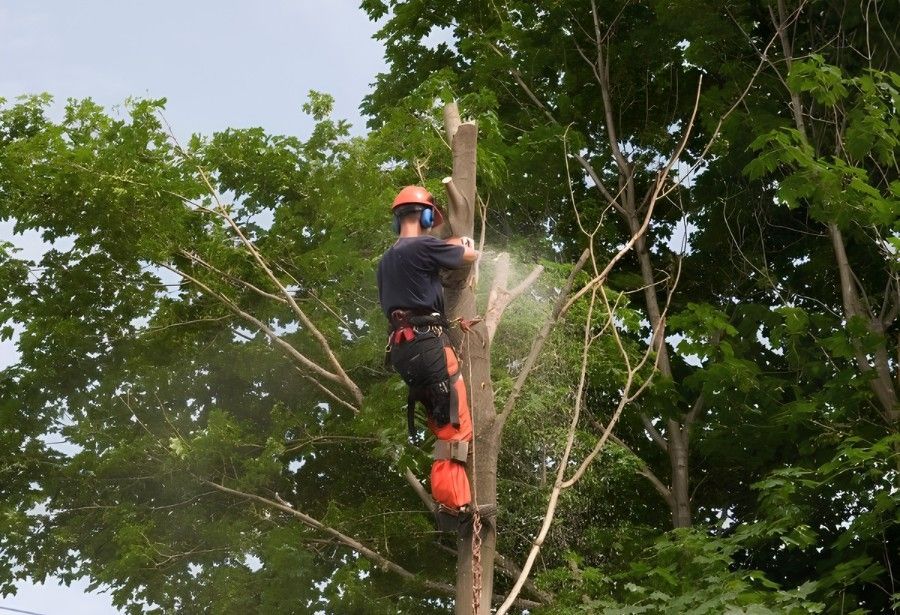
Removing a dead or hazardous tree in controlled sections is the safest way to protect nearby homes, landscaping, and people.
Should You Remove a Dead Tree Now or Wait?
Once a tree is clearly dead, there’s little benefit to leaving it standing. Dead wood becomes increasingly brittle as it dries and decays, making branches more likely to break and the tree more difficult to remove safely.
That increased risk can also make removal more expensive. Brittle trees may not be safe to climb or dismantle using the same methods as living trees, requiring additional rigging, equipment, or a crane. Removing the tree on a planned schedule also gives you more control than waiting until it falls and requires emergency tree service.
Waiting for insurance to cover the removal isn’t a reliable strategy either. Homeowners insurance generally doesn’t pay to remove a standing dead tree, and a tree that falls without damaging a covered structure may not be covered. If you know the tree is dead, scheduling professional tree removal before it becomes an emergency is typically the safer and more predictable option.
Once a tree is clearly dead, acting sooner almost always costs less than waiting. That runs against instinct, since waiting feels like the free option, but a dead tree gets more expensive and more dangerous to remove the longer it stands.
When Should You Call a Professional Arborist?
If you’re still unsure whether your tree is temporarily stressed or actively declining, an arborist can assess the entire tree—not just the leaves you can see from the ground. The extent of canopy dieback, dead or brittle branches, trunk decay, and other structural problems can help determine whether the tree has a reasonable chance of recovery or should be removed.
At Tree Solutions, evaluations are performed by an ISA Certified Arborist. If removal is necessary, we use lighter, turf-friendly equipment to minimize damage to your property and can name you as an additional insured for the job.
Frequently Asked Questions About Stressed Trees During Summer
Can a tree recover after losing leaves from heat stress?
Yes, a tree can recover from premature leaf drop if the underlying cause is temporary heat or drought stress and the tree is otherwise healthy. Avoid judging its condition by the leaves alone; healthy buds, flexible branches, and green tissue beneath the bark are better signs that the tree is still alive.
Should I water a mature tree during a heat wave?
Mature trees can benefit from supplemental water during extended hot, dry periods. Water slowly and deeply over the root zone rather than frequently wetting only the soil surface, and check the soil first so you aren’t adding water when the root zone is already moist.
Will brown or scorched leaves turn green again?
No. Once leaf tissue has turned brown or become scorched, that damage won’t reverse. Instead, watch the tree for continued decline and look for healthy buds and living branches that indicate it can produce new growth.
How long does it take a tree to recover from drought stress?
Recovery doesn’t necessarily happen as soon as rainfall returns. A tree may continue showing thinning foliage, scorched leaves, or reduced growth for the rest of the season, and the effects of prolonged drought can carry into future growing seasons.
Should I fertilize a tree that’s stressed from heat or drought?
Usually, the priority for a heat- or drought-stressed tree is adequate moisture and protecting the root zone rather than pushing new growth with fertilizer. If you suspect a nutrient deficiency or another soil problem, have the tree and soil evaluated before applying fertilizer.
How do I know if my tree needs an arborist or just more time?
If branches are still flexible, buds are present, and scratch tests reveal green tissue, the tree may need time and supportive care to recover. Widespread dieback, brittle branches, significant bark loss, decay, or continued decline despite improved conditions are reasons to have an arborist evaluate the tree.
Why does the whole tree need to come down, not just the dead part?
Once a tree is dead, removing only the visibly dead limbs leaves a trunk and root system that are already failing and will keep breaking down. A partially dead tree is still unstable, and rigging around brittle wood takes nearly as much effort as a full removal, so a partial job rarely saves real money or risk. Full removal is the safest and best solution.
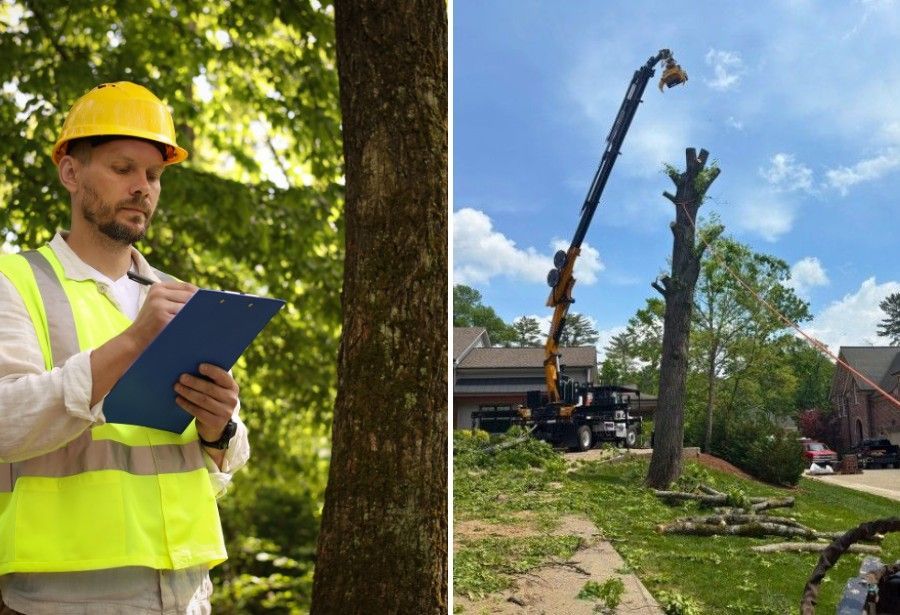
A professional arborist evaluates a tree’s condition before recommending removal when decline or structural hazards make recovery unlikely.
Find Out What Your Tree Needs Before Summer Ends
A stressed tree may need little more than water, mulch, and time to recover, while a tree in active decline may need professional attention before the next storm puts it at greater risk. The important part is knowing which one you’re dealing with rather than assuming a rough-looking canopy means the tree is dead.
If you’re still unsure, Tree Solutions can help. Call 615-541-5336 or request a free estimate to have a Certified Arborist evaluate your tree and determine whether it needs time to recover or it’s time to consider removal.
Brian Holloway
Brian Holloway is the founder and owner of Tree Solutions, a family-owned tree care company serving Middle Tennessee. With nearly 20 years of experience, he has overseen thousands of residential and commercial tree care projects and is dedicated to providing professional, dependable service.