Not sure what your trees need? Our certified arborists can help.
Estate tree care in Nashville means caring for multiple trees at once, and it starts with identifying structural defects, like codominant stems and included bark, that weaken a large tree under wind and ice loads.
A single visit gives you nothing to plan around, so a written assessment of every tree should come first. In Tennessee, the window for pruning large trees is late winter, which means the time to book one is now.
Key Takeaways
- Treat the property as one plan, with the highest-risk trees pruned first and larger work spread across several years.
- A whole-property assessment should leave you with a written record for each tree, including species, size, condition, defects, and recommended timing.
- Structural pruning corrects defects like codominant stems and included bark, while topping creates weak attachments and decay.
- Late February and March is the usual pruning window in Tennessee, though oaks should be pruned before March, so winter is when you book.
- Heavy equipment can compact soil and damage roots, so the machines a crew brings matter on a premium property.
How Do You Plan Tree Care for a Property With Multiple Trees?
The first thing that should be done is a property-wide assessment, followed by sequencing the work by risk and season, then pruning in a certain order in late winter. A sound plan sequences the work as follows:
- Year One : After the assessment, priority pruning of the highest-risk trees comes next.
- Later Years : Follow-up pruning covers trees that were reduced, and any cabling or bracing gets checked.
- Pacing: Spreading larger pruning over multiple years reduces stress on the tree, and the assessment data helps project future care needs and yearly budgets.
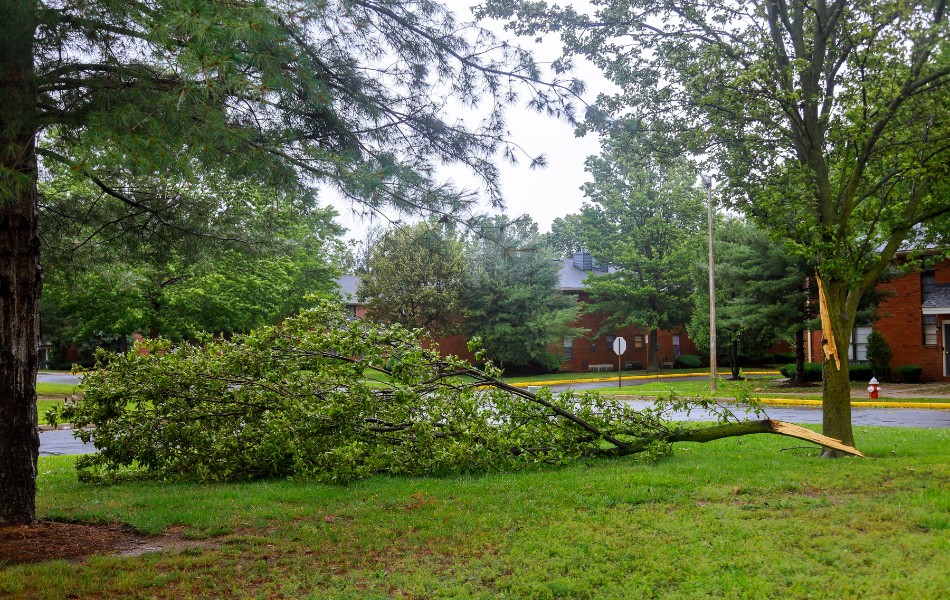
- After Major Weather : An inspection catches storm damage early.
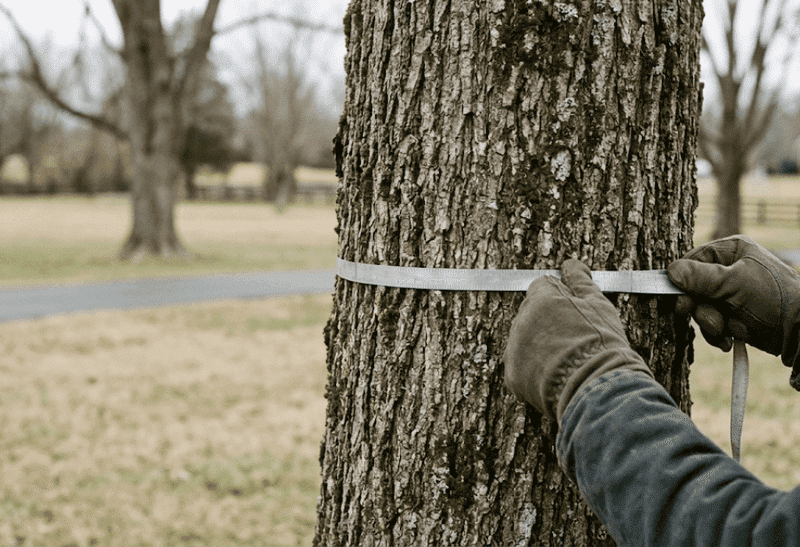
A written record for every tree gives the owner something to plan around, year after year.
What Does a Whole-Property Tree Assessment Include?
A good whole-property tree assessment includes a written record for every tree. Each record should detail five areas:
- Location : The record shows where the tree stands and what sits near it, such as drives, structures, and hardscape.
- Species and Size : It identifies what the tree is and how large it has grown.
- Condition and Defects : The arborist logs what was observed, including any structural weaknesses.
- Recommended Work : It states whether the tree needs pruning, support, or removal.
- Timing : It sets which season and which year the work belongs in.
Every inspection should be recorded and filed, so past records show how a tree’s health and structure change over the years. Written evaluations can also reduce liability if a failure occurs, and give the owner what a verbal opinion can’t.
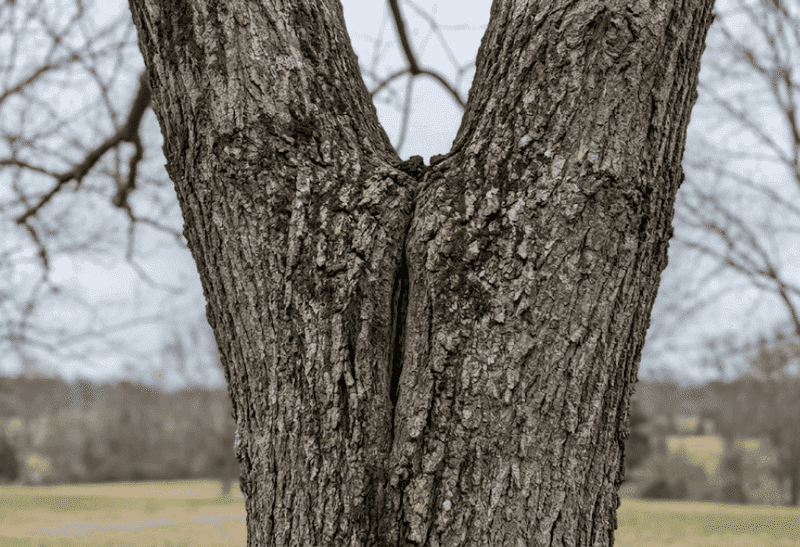
Structural pruning targets defects like codominant stems and included bark before they fail in wind or ice.
How Is Structural Pruning Different From Topping?
Structural pruning corrects the defects that make a large tree likely to fail, while topping creates new ones. Our structural pruning work targets defects like:
- Codominant Stems : Two main stems of similar size compete instead of sharing the load.
- Crossing or Vertical Branches : Limbs rub, crowd, or grow straight up through the canopy.
- Excessive Branch-End Weight : Long limbs carry heavy growth at the tips.
- Included Bark : Bark trapped in a narrow union raises risk under wind and ice loading.
Why Topping Makes Things Worse
Topping can look like a quick fix, but it creates long-term issues. Topped trees respond with fast-growing, weakly attached shoots that are likely to break, and the large cuts leave openings for decay and pests. Such wounds raise the likelihood of failure during storms. We provide a more in-depth breakdown of why topping causes bigger problems in our blog.
When Support Systems Come Into Play
When pruning by itself can’t fix a weak union, cabling and bracing provide extra support to trees you want to keep. Cabling, combined with weight-reduction pruning, works best for trees with large leads, weak points, or inclusions.
When Is the Best Time to Prune Large Trees in Tennessee?
Late winter is the best time to prune large trees ( usually the latter part of February and March), although oaks should be pruned before March. You shouldn’t prune in the late summer and early fall because it triggers new growth that may not mature before freezes. When trees are bare, it’s easier for the arborist to clearly assess the tree’s structure. And fresh cuts face less pressure from pests and diseases while the tree’s dormant.
Scheduling now secures you a spot before the window, which particularly suits estates and large properties with multiple trees, since dormant-season pruning is ideal for them.
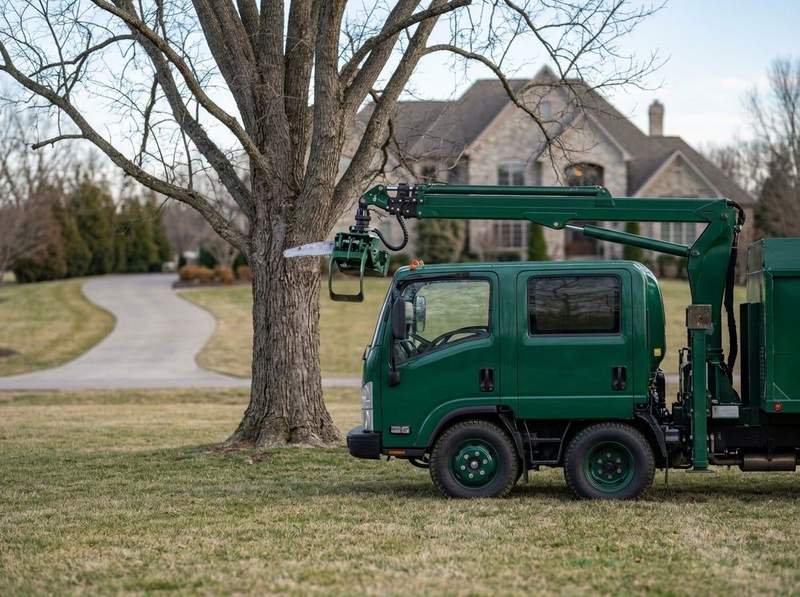
The right equipment keeps established lawns and root zones intact on a premium property.
Will Tree Equipment Damage My Driveway and Landscaping?
It can if the equipment’s too heavy for the property. Heavy machinery compacts soil and damages roots, and the harm can be noticeable either right away or years later. You can repair a driveway, of course, but undoing compacted soil over a root zone is a much taller task. That’s why Tree Solutions matches its equipment to premium drives and established landscaping:
- Grapple Saw Truck : The crane-mounted truck rides on six tires and is lighter than a typical competitor’s rig.
- Spider Lifts : Self-propelled lifts on turf tires reach difficult areas without the damage heavier equipment can leave.
The same equipment serves tree care needs throughout Nashville, including the large properties across Brentwood and Nolensville.
Frequently Asked Questions About Estate Tree Care
How often should mature trees be inspected?
Mature trees should be inspected at least once a year. Regular inspections catch health and structural problems early, especially for trees near homes.
How can I tell if storm damage needs more than pruning?
Damage limited to branches can often be corrected with pruning, while a split trunk or movement at the root plate needs a closer look before any work begins. An inspection should come before any tree care activity so the fix matches the damage.
Do oaks need special pruning timing?
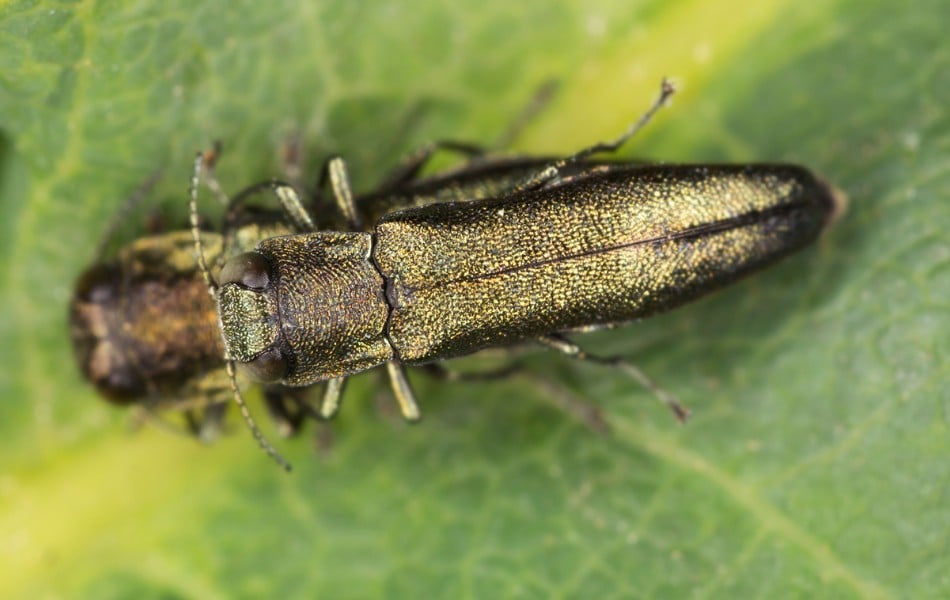
Yes, because fresh pruning wounds can attract the beetles that carry oak wilt, so oaks should not be pruned from March through July. The Certified Arborist confirms the timing for each oak during the assessment.
How long does a cabling system last on a mature tree?
A cabling system can last many years, but it needs periodic inspection to confirm the hardware and the tree are both holding up.
What is the difference between an inspection and a risk assessment?
A risk assessment is a more formal evaluation than a routine inspection. Risk-level inspections should involve a TRAQ-qualified arborist, meaning one trained in formal tree risk assessment.
Tree Solutions Can Care For All of Your Trees
A written assessment and a multi-year plan give your trees the scheduled care they need and reduce reactive spending. Across Greater South Nashville, homeowners can find the answer to their tree questions at Tree Solutions. To get started, request a free quote from a Certified Arborist today.
Brian Holloway
Brian Holloway is the founder and owner of Tree Solutions, a family-owned tree care company serving Middle Tennessee. With nearly 20 years of experience, he has overseen thousands of residential and commercial tree care projects and is dedicated to providing professional, dependable service.